What is executive coaching?
Executive coaching is a personalized, one-to-one development process designed to help leaders realize their full potential and drive meaningful business outcomes. It offers a structured but flexible way to build the capabilities that matter most at senior level — emotional intelligence, strategic thinking, and clear decision-making — inside a confidential space for honest reflection.
Unlike traditional training programs that pull leaders away from their responsibilities, coaching happens in the flow of work. You bring the situations you are actually navigating, which makes it immediate and practical: what you work on in a session is something you can apply that same week.
Through focused dialogue and an outside perspective, coaching builds self-awareness and surfaces the blind spots that quietly cap performance. Over an engagement it develops durable leadership habits rather than temporary motivation — stronger team engagement, sharper strategic execution, and more resilient, confident leadership.
Who is executive coaching for?
Most often senior leaders: directors, vice presidents, C-suite executives, and high-potential individuals preparing for their next level of leadership. Typically these are people with a strong foundation of technical expertise and functional success who now want to develop interpersonal influence, leadership presence, and the ability to navigate ambiguity.
It is not limited to the top of the org chart. Emerging leaders, founders, and team managers benefit too, particularly during transition, rapid growth, or a sudden step up in responsibility — whether that is a high achiever trying to avoid burnout or a first-time people leader on a steep learning curve.
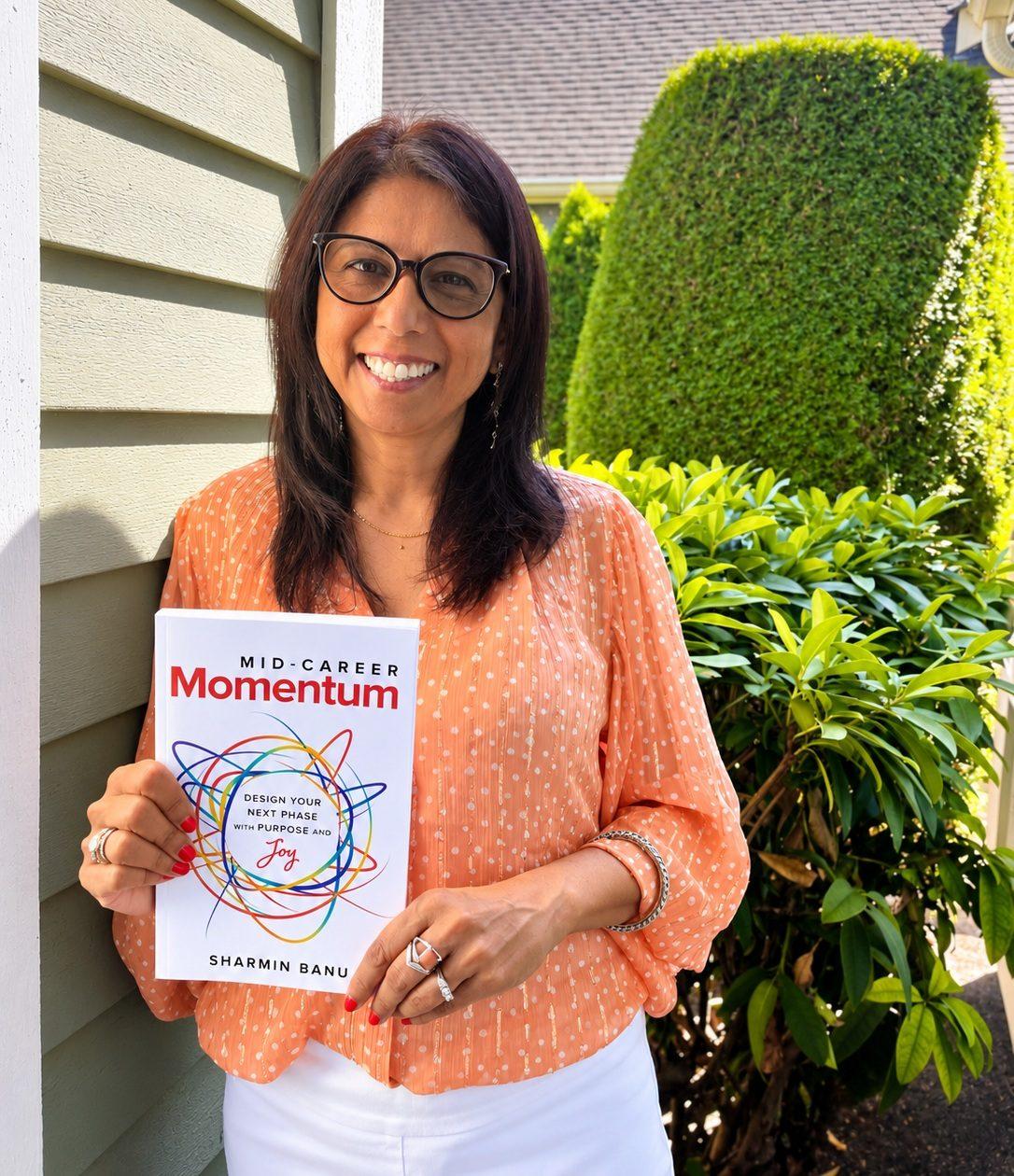
Sharmin coaches leaders across technology, healthcare, education, startups, and government. If you are wondering whether you are senior enough, the more useful question is whether you are carrying something you cannot think all the way through on your own.
Do I need to have a problem before coaching can help?
No. Coaching is not remedial, and working with a coach is not a signal that something has gone wrong.
Leaders often sense that something is not quite working without being able to name it. Coaching gives you room to step back, think strategically, and examine that in a judgment-free, psychologically safe environment. It is less about fixing what is broken than about strengthening what already works and uncovering potential that has not had space to surface.
Plenty of people come to coaching precisely because things are going well. A bigger role is coming, the team is growing, the stakes are rising — and they would rather meet that deliberately than react to it.
What actually happens in a coaching session?
A common myth is that coaching means being handed advice. An ICF-certified coach works differently: the session is built around thought-provoking questions, real-time observation, and honest feedback, so that you arrive at answers which fit your personality and your context — and therefore actually hold once the session ends.
In practice, a session starts with whatever is live for you right now: a difficult stakeholder, a decision you keep deferring, a piece of feedback that stung. From there you look at what is really driving it, what is and is not within your control, and what you want to do differently before the next conversation.
Sessions usually run twice a month, with flexibility to match your pace. Between them there is light-touch support — brief check-ins, a relevant article or resource, and one-off calls before high-stakes meetings.
How long does a coaching engagement last?
Engagements typically run six to twelve months, depending on your goals, the complexity of your role, and your organizational context.
That length is deliberate. Changing a leadership habit takes more than a few good conversations — it takes practice between sessions, feedback from the people around you, and enough time to find out whether the change holds when you are under pressure. A short engagement can produce insight; a longer one is what turns insight into something that lasts.
Every engagement starts with a complimentary, no-obligation chemistry call before anything is committed, so you can both decide whether it is the right fit.
What does my organization get out of it?
When a leader develops, the effect travels. Coached leaders communicate more clearly, make better-informed decisions, and create the conditions in which their teams do their best work — which shows up as stronger collaboration, higher engagement, and better retention.
Organizations typically see sharper strategic thinking at the leadership level, more cohesive team performance, and a culture where enough openness and trust exist for people to raise problems early. Strategies that were already set get executed more effectively, because the person carrying them is clearer about priorities and better at bringing others with them.
There is a succession benefit too. Coaching builds a deeper bench of capable leaders, which reduces the risk concentrated in any single transition and makes promotions from within more viable.